If surgery in Korea goes wrong: dispute options for foreign patients
How Korea's medical dispute mediation agency works for foreign patients, what its own figures show, and what to put in writing before surgery to protect yourself.
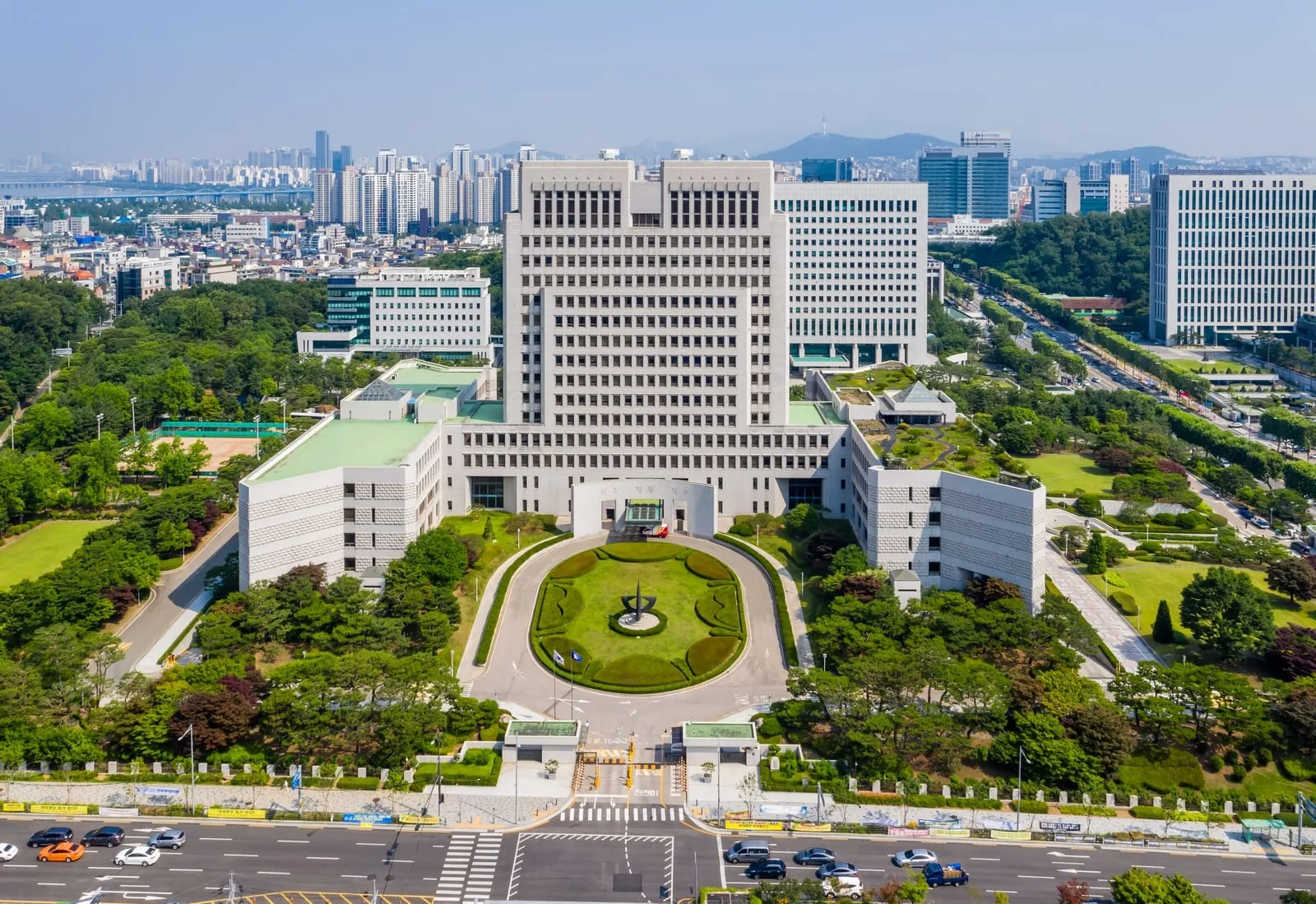

Nobody books surgery expecting to need this page. But the time to learn how complaints work in Korea is before the operation, when you can still shape the paperwork, and not afterwards, when you are swollen, upset and trying to read a consent form in a language you do not speak.
This is not legal advice. It is a description of the system as Korean public bodies and the Korean press describe it, including the parts that work poorly for foreigners.
Who handles medical disputes in Korea?
The main public route is the Korea Medical Dispute Mediation and Arbitration Agency, which opened in April 2012. It was created with government backing to settle disputes between patients and medical institutions without a full court case.
From the start, the system was meant to cover foreign patients. When it launched, the agency said that for cases involving foreigners it would appoint a board member with knowledge and experience of foreign law. Two months later, in June 2012, it began offering interpretation so that foreign patients in a dispute with a hospital could be counselled in their own language.
Korean hospitals that treat international patients refer to the same route. One university hospital’s English patient-rights notice tells patients that in a dispute they may apply for mediation under the Medical Service Act.
A second public body is relevant before you ever reach a dispute. The Korea Health Industry Development Institute, which runs the government’s programme for international patients, says it provides information on reporting illegal brokers and consultation in medical disputes between foreign patients and medical institutions.
Can a foreign patient apply, and how?
Yes. A law firm summary of the rules lists who may apply: the victim of a medical accident, the party responsible, other interested persons, or their agents. Nationality is not a condition.
That “or their agents” matters to someone who has already flown home. You do not have to be in Korea to start.
The agency has also described an advocate programme, under which a patient who wants to apply for mediation can ask for an advocate, receive help and go through the process together. If you contact the agency, ask whether it is available to you.
What do the numbers say?
Here the picture is less comfortable. Government data reported in 2018 showed 810 medical disputes involving foreign patients registered with the agency over six years, with 247 in 2017 alone. A lawmaker cited those figures to call for more counsellors and translators.
A Korea Herald investigation then looked at what happens to those patients. Out of 138 foreign patients who consulted the agency in 2018, only 41 officially filed a case. The agency’s communications officer told the paper that the agency was understaffed and underfunded, with a single officer in charge of foreign patients.
Set those figures beside the scale of medical travel. Korea’s own health industry institute counts millions of foreign patients since 2009, reaching about a million a year by 2019. A few dozen filed cases a year, against that background, does not mean few things go wrong. It means few people get as far as filing.
Why do so few foreigners file?
The Herald’s reporting gives three reasons, and they are all practical.
Language. Legal procedure is hard to explain in a foreign language, and the lawyers who can do it tend to work at large firms whose fees are out of reach for an individual. One lawyer told the paper that of the many cases involving foreign patients he had reviewed, only one actually went to court.
Distance and time. A dispute takes months. A patient on a short-stay visit has days.
The agency’s own advice. Its chief recommendation, for foreign and Korean patients alike, is to settle out of court.
So the realistic route for most foreign patients is a negotiated settlement with the clinic, with mediation as the formal option behind it and litigation as a distant third.
What protection exists before anything goes wrong?
The Health Ministry introduced a series of measures as foreign patient numbers grew. According to the same reporting, they include a registration system from 2009 for institutions that serve foreign patients, a complaint centre from 2014 for illegal brokering, and, since 2016, a requirement that registered institutions buy medical malpractice liability insurance.
The insurance point is the practical one. If a clinic is properly registered to treat foreign patients, there should be an insurer behind it. The agency’s spokesperson made the link herself: if a medical accident occurs, the insurance company can pay compensation.
That is a strong argument for checking registration before you book, and for avoiding any arrangement made through an unregistered broker.
What should you do before surgery?
Most of what decides a dispute is written before the operation.
| Get this in writing | Why it matters |
|---|---|
| The operating surgeon’s full name | Establishes who you consented to |
| The exact procedures and what is included in the price | Prevents arguments about what was agreed |
| The clinic’s policy on revision surgery and refunds | Most disputes end as a negotiation over exactly this |
| A consent form in a language you can read | You cannot consent to what you cannot read |
| The clinic’s registration to treat foreign patients | Tied to the insurance requirement |
| How the clinic handles complaints, and a named contact | You will need it at a bad moment |
Pay by a traceable method and keep every receipt. Keep the chat history with the clinic or agent, and do not delete it when you get home.
What should you do if something goes wrong?
- Get medical care first. See a doctor where you are and ask for a written report.
- Ask the clinic for a copy of your medical records. You are entitled to request them.
- Photograph the problem, dated, in consistent light.
- Put your complaint to the clinic in writing, calmly, stating what happened and what you are asking for.
- If the operation was done under sedation or general anaesthetic and you asked for it to be recorded, ask the clinic in writing to preserve the footage. Recordings need only be kept for a limited period.
- If the clinic does not respond, contact the mediation agency or the international patient support service and ask about interpretation and the advocate programme.
Our clinic directory shows each clinic’s registered name and details from public records, which is the name you will need on any formal complaint. English brand names often do not match it.
Common questions
- Can a foreigner apply for medical dispute mediation in Korea?
- Yes. The system was set up in 2012 to apply to foreign patients as well, and the agency began offering interpretation for them the same year. A victim of a medical accident, or their agent, may apply.
- Do I need a Korean lawyer?
- Mediation is designed so that patients can apply themselves, and the agency has described an advocate programme that helps patients through it. Court litigation is different, and lawyers quoted in Korean press say finding affordable counsel who can work in a foreign language is hard.
- Will the clinic's insurance pay?
- Institutions registered to treat foreign patients must hold malpractice liability insurance, so compensation can come from an insurer. Whether it does depends on fault being established or a settlement being agreed.
Sources (7)
- The Korea Herald, Language, time barriers force foreigners in medical disputes to settle out-of-court, checked 13 November 2026
- The Korea Times, Agency starts to mediate malpractice cases, checked 13 November 2026
- The Korea Times, Phone interpretation service available for foreign patients, checked 13 November 2026
- The Korea Times (Yonhap), Medical disputes by foreign patients on rise; 247 cases in 2017, checked 13 November 2026
- Korea Health Industry Development Institute (KHIDI), Supporting efforts to promote the global healthcare industry, checked 13 November 2026
- Hanyang University Seoul Hospital, Patient rights and responsibilities, checked 13 November 2026
- Daeryun Law Firm, Medical dispute conciliation and arbitration: who may apply, checked 13 November 2026
More on safety and regulation
Ghost surgery in Korea and the operating room CCTV law
What ghost surgery is, what Korea's operating room camera law has required since September 2023, and how a foreign patient can ask for a recording.
How to tell a specialist clinic from its sign in Korea
Korean rules decide which clinics may put 'plastic surgery' in their name. Here is how to read a signboard, what the half-size rule is, and where it fails.