Flying home after plastic surgery: how long should you wait?
What the NHS and British surgeons' guidelines say about flying after cosmetic surgery abroad, why blood clots are the concern, and how to plan your stay.
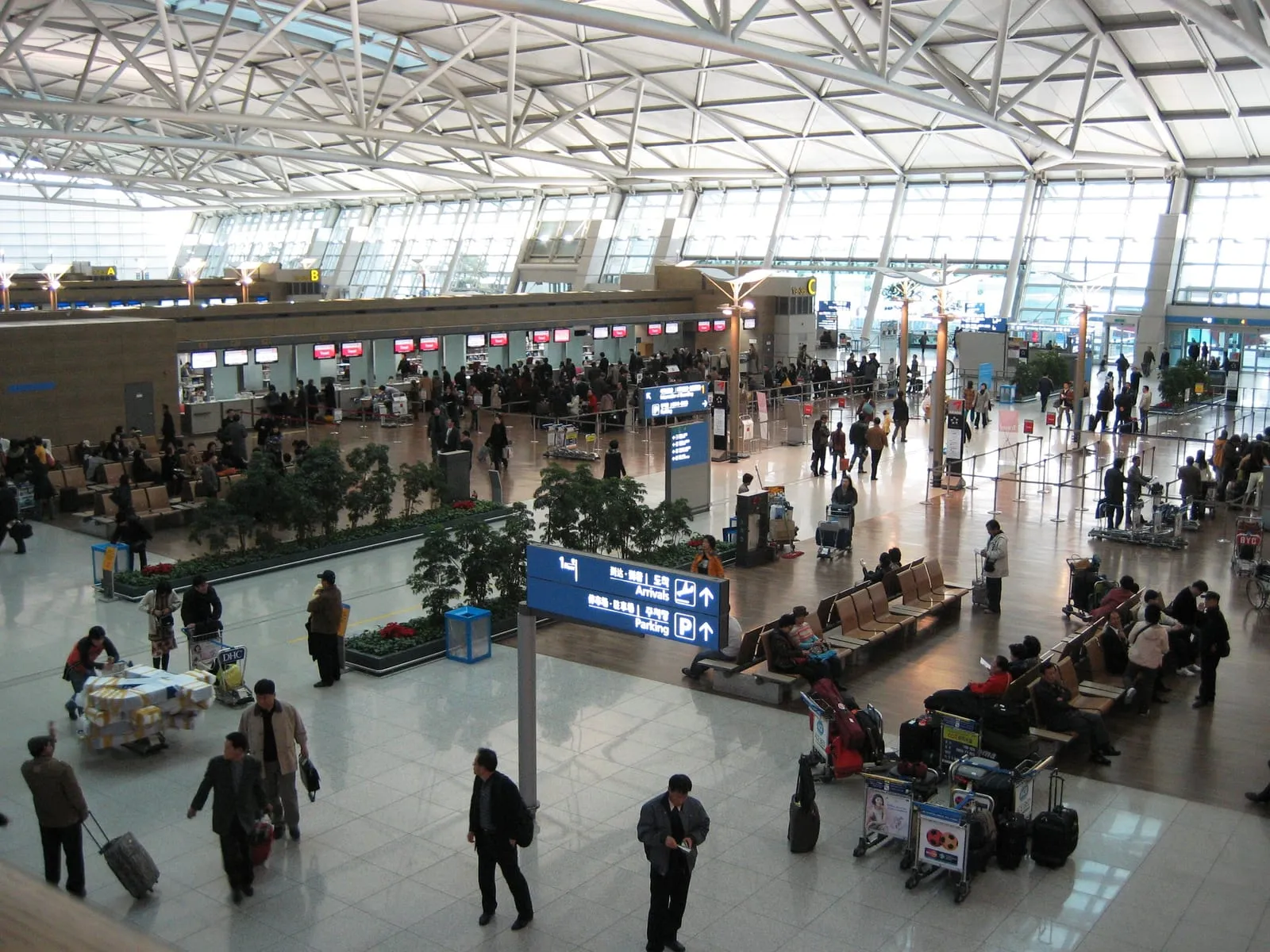

People planning surgery in Seoul tend to build the trip backwards from the cheapest return fare. The operation goes on day two, the stitches come out on day seven, the flight leaves on day eight. It fits neatly into a week of annual leave, and it treats the flight home as a taxi ride.
It is not one. For most patients the journey back is uneventful, but it is the point in the trip where two separate risks stack on top of each other, and the published guidance on when to fly is more cautious than many itineraries.
Why is flying after surgery a concern at all?
The issue is venous thromboembolism: a clot forming in a deep vein, usually in the leg, which can break loose and lodge in the lungs. A clot in the leg is a deep vein thrombosis. One in the lungs is a pulmonary embolism, and it can kill.
Surgery pushes the body toward clotting. That is a normal response to injury and it lasts beyond the day of the operation. Sitting still for hours slows blood flow in the legs, which is why long journeys carry a clot risk of their own. Put the two together and you have the pattern that worries surgeons. The NHS states it directly: travelling after major surgery can increase the risk of deep vein thrombosis or pulmonary embolism, and the risk is higher on a long flight taken soon after the operation.
Seoul to London, Los Angeles, Sydney or Dubai is a long flight by any definition.
What do the guidelines actually say?
Two British sources are the clearest in print, and they do not give quite the same answer.
The NHS advice for people having cosmetic surgery abroad is to wait five to seven days before flying after procedures such as breast surgery and liposuction, and at least seven to ten days after facial cosmetic procedures or tummy tucks.
The British Association of Aesthetic Plastic Surgeons (BAAPS) published cosmetic tourism guidelines for its members in September 2023. They sort procedures into three groups by risk and set out how long a patient should be in the destination country on each side of the operation. For the highest group, the patient should arrive a week before surgery and remain for two to four weeks after it. Summaries of the same guidance describe the general pattern as one to two weeks after most operations under general anaesthetic, and two to four weeks after longer or multiple procedures.
| Source | Procedure | Time before flying |
|---|---|---|
| NHS | Breast surgery, liposuction | 5 to 7 days |
| NHS | Facial procedures, tummy tuck | At least 7 to 10 days |
| BAAPS | Most operations under general anaesthetic | 1 to 2 weeks in the destination country |
| BAAPS | Longer or multiple procedures | 2 to 4 weeks in the destination country |
Why don’t the numbers agree?
Because nobody has run the experiment. You cannot randomise patients to fly on day five or day fifteen and count the clots. The BAAPS document is candid about this. It labels the evidence behind its timing recommendations as expert opinion, which is the lowest rung on the evidence ladder.
That does not make the advice arbitrary. It draws on large studies of clots in cosmetic patients, including an analysis of more than 129,000 of them, and on what surgeons have seen go wrong. But it does mean the numbers are judgments about a margin of safety, not thresholds. Day ten is not safe where day nine was dangerous.
It also explains why the BAAPS guidance asks patients to arrive early. A long flight shortly before an operation leaves you tired, dehydrated and possibly already at raised clot risk when you go under anaesthetic.
What changes your personal risk?
The guidelines sort by procedure, but the patient matters too. Things that are widely recognised as raising clot risk include a previous clot, a family tendency to clotting, hormonal contraception or hormone therapy, smoking, a high body mass index, and long operations, particularly several procedures combined in one sitting.
That last one deserves attention in Korea, where combining procedures to make the most of a single trip is common. Each added hour of surgery moves you up the BAAPS groups and lengthens the recommended stay. A plan that is reasonable for one procedure may be too short for three.
Tell the surgeon about every item on that list before the operation, and tell them your flight time. A surgeon who knows you face eleven hours in the air nine days later can plan for it.
What can you do on the flight?
The BAAPS guidelines advise anti-embolism stockings for two weeks after surgery for patients in their middle risk group, together with good hydration. Beyond that, the standard measures for any long flight apply with more force: an aisle seat so you can get up, a walk every hour or so, ankle and calf movements while seated, water in preference to alcohol.
Whether you need anything stronger, such as a blood-thinning injection, is a medical decision for your surgeon, and it cuts both ways, because thinning the blood shortly after surgery raises the risk of bleeding.
Know the warning signs. A calf that becomes swollen, painful or hot, usually on one side, needs same-day medical attention. Sudden breathlessness, chest pain or coughing blood is an emergency wherever you are, including in the air.
How should you plan the trip?
- Decide the length of stay from the guidance for your procedure, then look for flights. Not the other way round.
- Book a changeable ticket. Swelling, a wound that is slow to close or a surgeon’s request for one more check-up are all ordinary reasons to stay longer.
- Budget for the extra nights. They are part of the cost of the operation.
- Find out before you book whether the clinic will see you in the days before you fly, and who.
- Arrange a doctor at home. British surgeons report rising numbers of operations to correct cosmetic procedures carried out abroad, and the NHS notes that while it will treat a life-threatening emergency, care for lesser complications can be refused.
A clinic that is comfortable putting you on a long-haul flight the day after a major operation is telling you something about how it weighs your convenience against your safety. You can check any clinic’s public record in our clinic directory, but its attitude to your flight date is something only a direct question will reveal.
Common questions
- Can I fly the day after a minor procedure?
- British guidelines sort procedures into risk groups and attach no extra clot precautions to the lowest group. Whether your procedure counts as minor is a question for the surgeon who knows what was done and how long it took.
- Do compression stockings help on the flight home?
- The British guidelines advise anti-embolism stockings for two weeks after surgery for their middle risk group, together with staying hydrated. Ask your surgeon whether you need more than that.
- What if something goes wrong after I am home?
- The NHS says the surgeon who operated is responsible for follow-up care, but distance makes that hard. Arrange a doctor at home before you travel and carry your operation notes with you.
Sources (4)
- British Association of Aesthetic Plastic Surgeons, BAAPS Cosmetic Tourism Guidelines (September 2023), checked 13 November 2026
- The Star (reporting NHS advice), NHS guidance on cosmetic surgery abroad explained, checked 13 November 2026
- In Your Pocket (summarising BAAPS guidance), Travelling After Surgery: Flying, Recovery and Aftercare Abroad, checked 13 November 2026
- The Yorkshire Post (reporting NHS and BAAPS), NHS guidance on cosmetic surgery abroad: complications and corrective surgery figures, checked 13 November 2026